Trains are woven into everyday life in the United Kingdom, carrying millions of people to work, school, business meetings and days out. Yet even a well-run railway cannot operate uninterrupted all of the time. Engineering projects, infrastructure upgrades, severe weather and sudden operational problems can all bring services to a halt on part of a route. When that happens, rail replacement transport steps in so that passengers are not simply stranded, offering an alternative way to complete the journey while trains are unavailable. Knowing what these services are, why they appear and how to use them well can take much of the frustration out of a disrupted trip.
What Replacement Transport Actually Means
The term describes the alternative arrangements put in place when a scheduled train cannot run as planned. In practice, that usually means buses or coaches shuttling between stations, or between stations and clearly marked collection points nearby. These arrangements are most often linked to planned maintenance, but they can also be rolled out after an unexpected incident. Their purpose is straightforward: to keep people connected while rail services are suspended or reduced. A replacement vehicle might cover a whole route from end to end, or it might serve only the stretch of line that is affected, with trains running normally either side of it.
Why Replacement Services Become Necessary
Railway infrastructure is complex and heavily used, and it needs regular attention to stay safe and dependable. Two broad situations tend to trigger replacement arrangements.
Planned Engineering and Maintenance
Network operators and infrastructure managers routinely schedule work on tracks, signalling, bridges and electrical systems. Some of that work cannot be done while trains are running, so sections of line close for a period, most often at weekends, on bank holidays or overnight. While the work is carried out, buses and coaches bridge the gap so passengers can still travel around the closure.
Unexpected Disruption
Unplanned events can stop trains just as effectively. Signal failures, damaged infrastructure, extreme weather and operational emergencies can all force services to be suspended at short notice. Replacement vehicles may then be arranged to maintain links between the places affected, although sourcing buses, coaches and drivers quickly is not always easy, and there can be a delay before the alternative service is up and running.
Vehicles You Are Likely to Encounter
The type of vehicle deployed depends on how many people are travelling, how far they are going and what the route demands.
Buses on Local Routes
For shorter hops calling at several stations in quick succession, buses are the usual choice. Passengers can board and get off quickly, which suits routes with frequent stops between neighbouring stations.
Coaches on Longer Runs
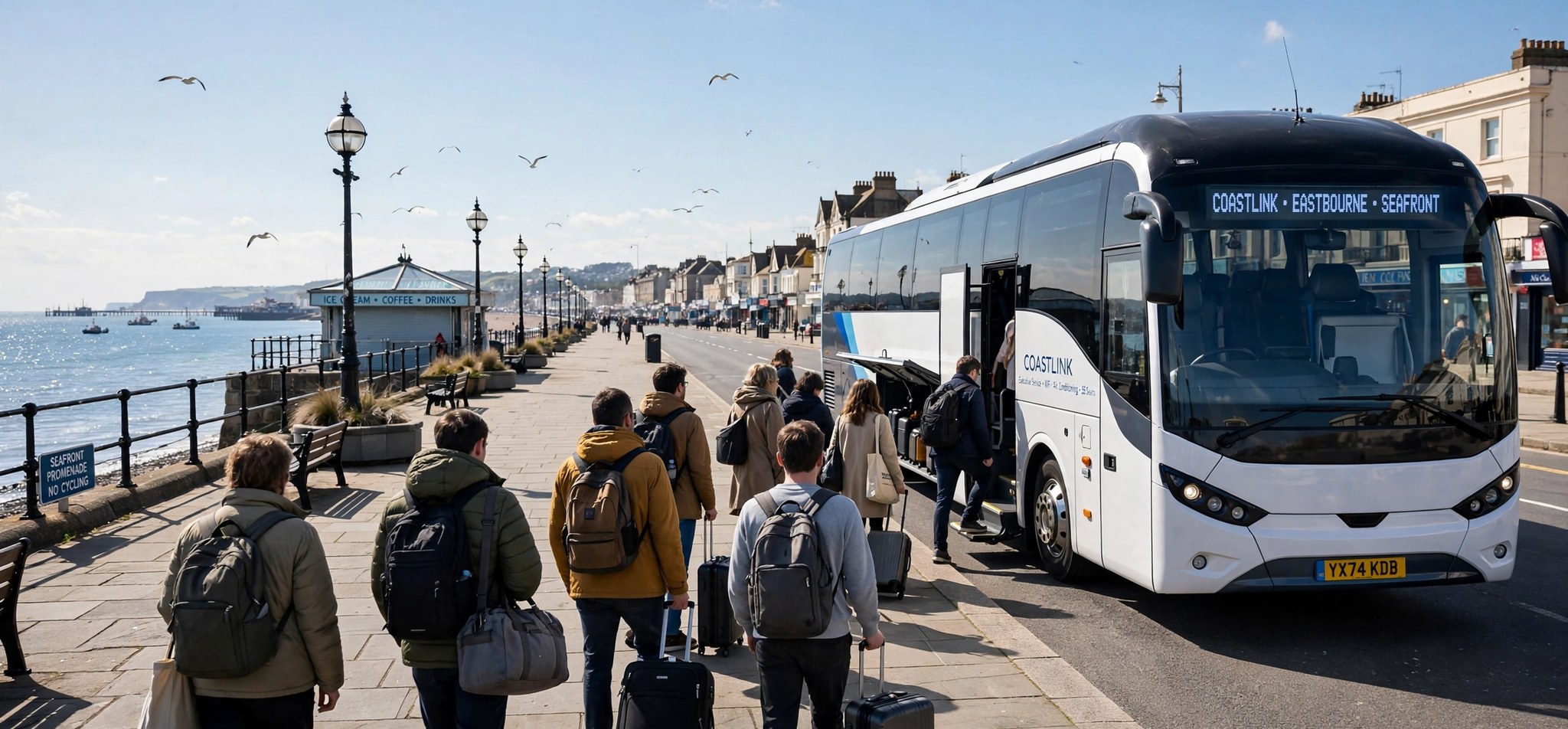
Where passengers stay on board for a considerable distance, coaches are generally preferred. They can offer more luggage space, seating designed for longer journeys and other facilities that make an extended trip more comfortable, depending on the vehicle supplied.
Accessible Vehicles
Accessibility has to be planned into replacement arrangements rather than treated as an afterthought. Travellers with mobility needs may require a vehicle with suitable boarding equipment or a designated wheelchair space. Because provision varies, anyone who needs assistance is better off checking the arrangements with the train operator before travelling, wherever that is possible.
How These Services Are Put Together
Behind the scenes, replacement transport is a coordination exercise involving train operators, road transport providers and, where necessary, local authorities.
Planning the Route
Replacement routes are designed to link the affected stations, or suitable points close to them. Roads, however, rarely mirror the path of a railway line, so a journey by road often takes longer than the train it replaces. Traffic levels, road restrictions and whether a large vehicle can physically reach a station all feed into the route that is chosen.
Scheduling Enough Vehicles
Planners have to estimate demand in order to decide how many vehicles are needed and how much capacity each should have. Busy commuter corridors and major events can swell passenger numbers considerably, and careful scheduling is what stands between an orderly queue and an overcrowded one.
Drivers and Local Knowledge
Vehicles alone are not enough. Replacement services depend on drivers who can be called on at the times the railway needs them, including early mornings, late evenings and short-notice emergencies. Familiarity with the local road network matters as well, because a driver who knows the area around each station can adapt when a road is closed or traffic builds up unexpectedly. Operators providing these services also need to brief drivers on stopping points, timetables and which stations are being served on any given day, since a replacement route may differ considerably from the one running the following weekend.
Keeping Passengers Informed
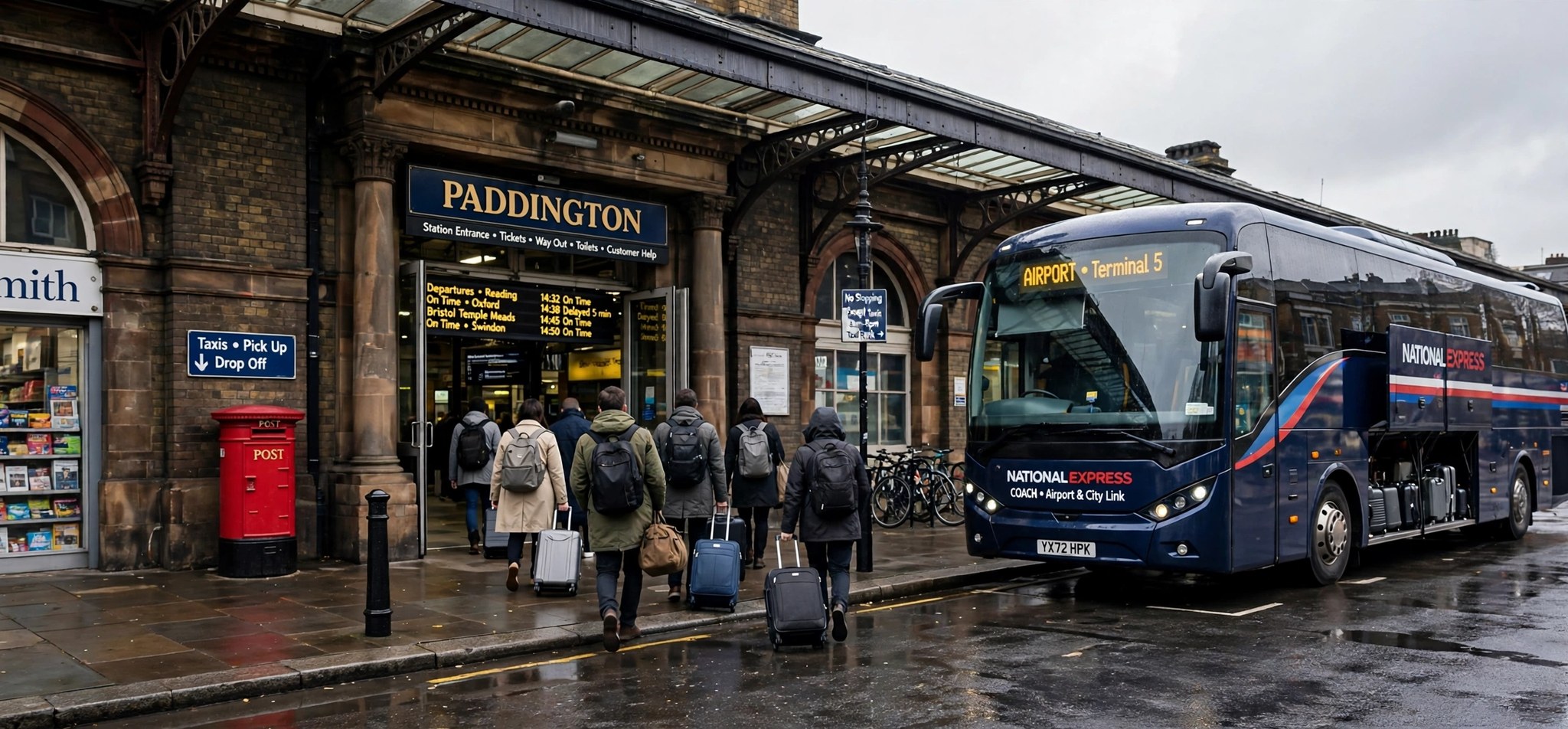
Clear information makes a real difference when journeys change. Updates may come through station announcements, operator websites, journey-planning apps and temporary signs at stations pointing people towards the replacement pick-up point.
The Challenges Involved
Replacement services keep people moving, but they are not without difficulties. Road congestion is the most obvious, particularly in towns and cities where buses and coaches share space with general traffic. Journey times grow because vehicles cannot always travel directly between stations, and passengers with bulky luggage, young children or accessibility needs may find the switch from train to road more demanding. When disruption is unplanned, demand can outstrip the number of vehicles available, which leads to longer waits at the kerb.
Tips for Passengers Facing a Replacement Journey
A little preparation goes a long way. Build the possibility of a slower, road-based leg into the plan for the day rather than assuming the train timetable will hold exactly. Check live travel updates before setting out so planned closures and the alternatives on offer are known in advance. Confirm where the replacement stop actually is, since it is not always directly outside the station entrance. Allow extra time across the whole journey, especially when the trip ends at an appointment, an airport or an event with a fixed start. It is also sensible to check the position on luggage and accessibility before travelling, rather than discovering the arrangements on arrival.
Why It Matters for the Wider Network
Replacement services are a small but important part of transport planning, because they keep communities connected when the railway cannot run. They allow essential improvement work to happen while still giving passengers a way to travel during temporary closures. As the network continues to be maintained and modernised, the quality of coordination between train operators and road providers will remain central to how disruption feels for passengers. When it is organised well, replacement transport softens the impact of engineering work and emergencies alike, protects people’s mobility, and preserves access to the destinations that matter while normal services are out of action.