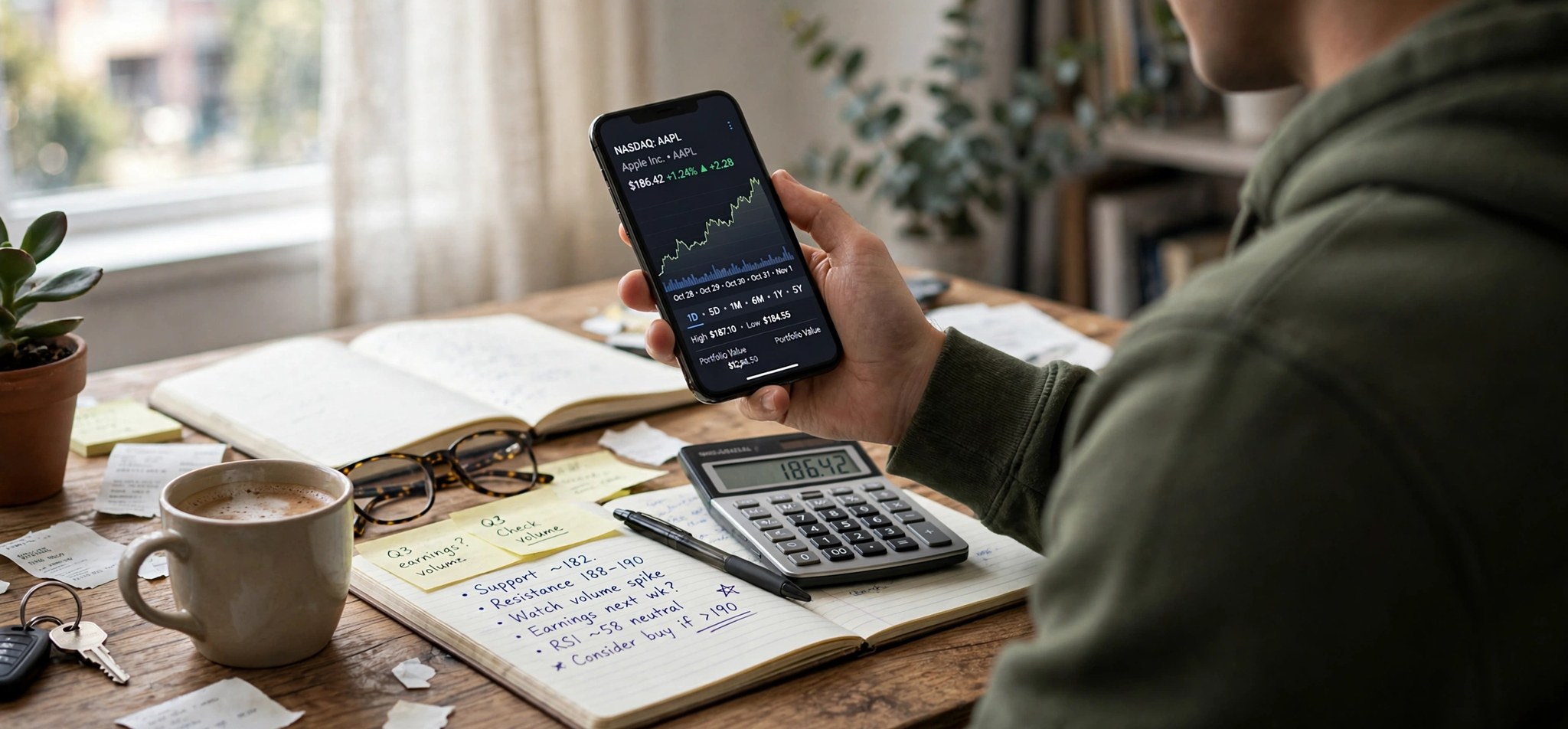
A good finance app can make investing simpler and more accessible. Pick the wrong one, however, and you risk losing both your money and your personal data. Fraudsters copy the names and logos of genuine trading platforms so their apps look authentic. Some go further and display invented profits, encouraging users to deposit even more because they believe their account is performing well. That is why it is essential to confirm a platform is legitimate before opening an account or placing a single trade.
Why Fraudulent Finance Apps Are So Hard to Recognise
Fake apps are deliberately designed to resemble the real thing. They borrow the branding of well-known businesses, present polished, professional-looking dashboards, and send messages that appear to come from established financial brands. For a first-time investor, nothing on the surface may look wrong.
Victims are often reached through WhatsApp groups, Telegram channels, social media advertisements and direct messages. The pitch usually involves guaranteed profits, exclusive stock tips or a special category of trading account. In many cases the app shows a rising balance that has no connection to real trades, purely to convince the user that the investment is growing and that a larger deposit would grow it faster.
The deception rarely stops at the app itself. Many operations also clone the broker’s website, run look-alike advertisements, and operate fake customer-support channels that appear in search results or social media replies. A victim who searches for help with a withdrawal may end up speaking to the very people running the fraud. Others are added to chat groups where supposed fellow investors post screenshots of their own supposed profits — social proof manufactured to make the scheme feel busy, popular and safe. When everyone around you appears to be earning, questioning the platform feels like the odd thing to do, and that pressure is deliberate.
Checks to Run Before You Install Any Finance App
A few careful checks before installation can sharply reduce the risk of downloading a fraudulent application. Never judge an app by its name, logo or advertised features alone.
Stick to Official App Stores
Begin by finding the app on the Google Play Store or the Apple App Store. Do not install software from unfamiliar websites, shortened links, social media messages or APK files sent by strangers. An APK is an Android installation package that can be circulated outside the Play Store, bypassing the checks that official stores apply.
Even so, appearing in an official store is not by itself proof that a platform is legitimate. Before going further, examine the developer’s name, the official website, contact details and whatever security information is available. A mismatch between the developer name and the brand the app claims to represent is a serious warning sign.
Confirm SEBI Registration
Before you complete a demat app download, check the stockbroker’s registration details using official SEBI resources. You can also cross-check the lists of authorised mobile trading applications published by recognised stock exchanges. If the broker behind the app cannot be found in these official sources, do not proceed, no matter how convincing the app looks.
Registration matters because it connects the app to an accountable, regulated business. A SEBI-registered broker is subject to rules on how client funds are handled, how trades are executed and how complaints can be escalated, and its authorised applications are the ones it publicly stands behind. An unregistered operator offers none of that protection: if the app disappears or refuses a withdrawal, there is no regulator with oversight of it and no authorised business to pursue. Spending a few minutes confirming the registration before downloading is far easier than trying to recover money afterwards.
Read Reviews Carefully and Review Permissions
Do not rely on the headline star rating alone. Read the recent reviews and look for repeated complaints about blocked withdrawals, lost account access, unexpected charges or unresponsive customer support. Treat an app with large numbers of vague, generic reviews — or a sudden burst of suspicious feedback — with caution.
Permissions deserve the same scrutiny. A trading app has no obvious need to read your messages, record your calls or access unrelated personal data. If the permission list goes well beyond what the service requires to function, that is another reason to stop and reconsider.
Star ratings can also be bought or farmed, which is why the pattern of reviews matters more than the average. Genuine complaints about withdrawals tend to repeat the same specific details — a named fee demanded at the last step, a support team that stops replying, a balance that cannot be moved. Fake praise, by contrast, tends to be short, interchangeable and posted in clusters. Permissions tell a similar story when read carefully: a legitimate trading app needs network access and may request notifications or biometric login, but demands for your contacts, messages or full device access have no place in placing trades, and granting them can expose far more than your investment.
Warning Signs That a Trading Platform Is Fake
Spotting suspicious behaviour early can stop you transferring money to fraudulent operators. Watch out for the following red flags:
- Implausible returns: Any promise of guaranteed profits, or returns that look unusually high for the risk involved, is a major danger sign.
- Pressure to pay immediately: Messages pushing you to transfer money right away to secure an opportunity are designed to stop you thinking it through.
- Payments to personal accounts: Be wary if you are asked to send investment funds to an individual’s bank account or UPI ID rather than the broker’s official account.
- Extra deposits to release your own money: If you are told to pay an additional amount before your existing balance can be withdrawn, it is very likely a scam.
- Requests for sensitive details: Never share passwords, OTPs, UPI PINs or remote access to your device with anyone claiming they will help you invest.
Consider how the typical trap unfolds. An investor starts with a modest amount on an unfamiliar platform and sees apparent profits credited quickly. The operator then encourages a much bigger deposit — but when the investor tries to withdraw, the request is blocked. A healthy-looking profit balance on a screen proves nothing; it does not mean real trades were executed or that real assets exist behind the numbers.
Another hallmark of these schemes is how quickly the relationship moves off the platform. A supposed adviser may insist on handling everything through personal chat, discourage you from contacting the broker’s official support, or explain away missing registrations and odd payment routes as temporary arrangements. Genuine brokers do the opposite: they keep communication on official channels, publish their registration details prominently and never need you to pay a third party to access your own funds. If the person guiding your investment cannot be verified through the broker’s official website, treat everything they say as part of the pitch rather than advice.
How to Keep Yourself Safe While Investing
Choosing an online trading App involves more than comparing features or how quickly an account can be opened. The platform must be verifiable, and its processes should be transparent from the start.
Before your first transaction, take these precautions:
- Visit the broker’s official website and follow the download link provided there, rather than a link sent to you by someone else.
- Confirm the broker’s registration details and the authorised app through an official source such as SEBI or a recognised exchange.
- Use a strong, unique password and switch on two-factor authentication wherever it is offered.
- Never give OTPs, passwords or account access to callers, social media contacts or self-described advisers.
- Transfer funds only through the broker’s verified payment channels, and double-check the recipient details before confirming.
- Review your account balance, transaction history and official exchange or depository statements regularly, so any discrepancy surfaces quickly.
None of these steps removes risk entirely, but together they make it far easier to separate fraudulent platforms from genuine ones before any money changes hands.
The Bottom Line
Fake finance apps can look every bit as sophisticated as legitimate ones, complete with convincing dashboards and apparent profits — which is exactly why verification has to come before investment. Confirm the broker’s registration, obtain the application only through authentic sources, review the permissions it requests, and ignore unsolicited offers altogether. Resist the pull of polished apps promising huge profits; a few minutes of checking protects your account, your money and your personal information. And when a provider such as 5paisa recommends different investment products to investors, it remains essential that those investors fully understand the platform they are using before they commit their funds.